


Binance Blocks 17 Crypto Platforms
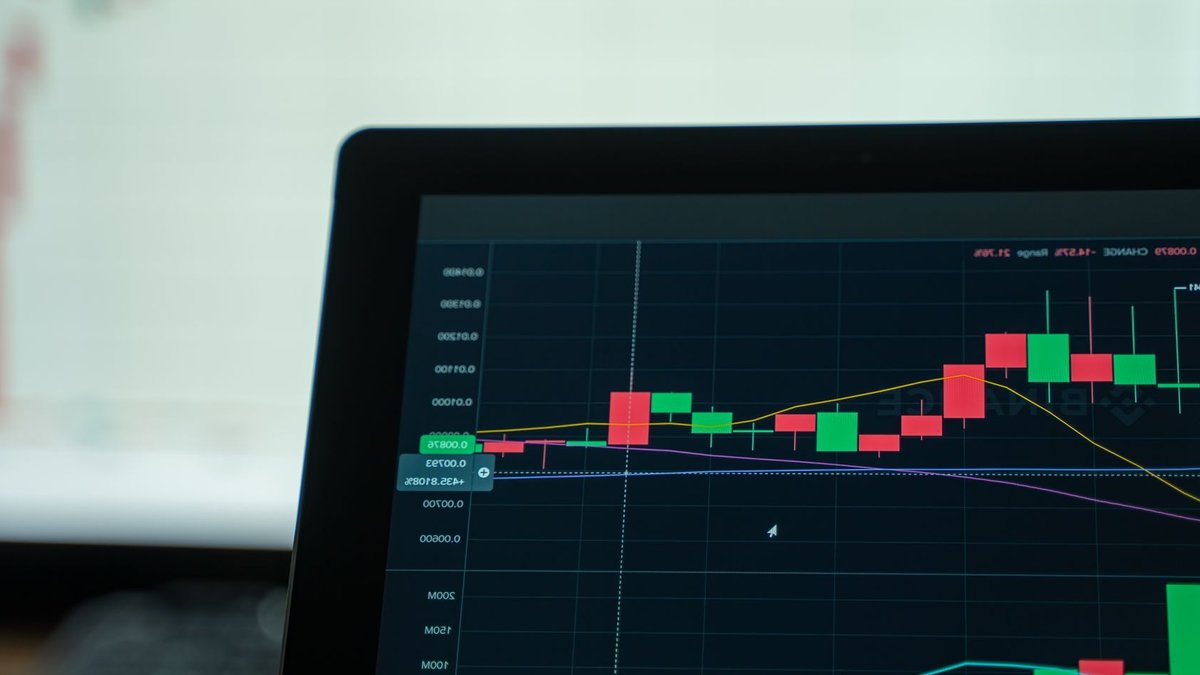
Binance blocks 17 crypto platforms in a sanctions crackdown, issuing a phased ban that begins this week.
Phased restrictions roll out across multiple regions
The exchange sent a user notice on Saturday outlining a schedule that starts with two entities on August 7. Transactions involving Shelbit General Trading LLC, operating in the United Arab Emirates and Iran, and the Iran‑based Aban Tether Exchange are already halted.
From August 13, the list expands to include A7 Nigeria, A7 Africa—active in Nigeria and Zimbabwe—and PilotFinance Ltd. Users are instructed not to send, receive, or route funds through these services after the effective dates.
Later in the month, on August 23, the ban reaches additional firms such as Rapira and Aifory Pro (Sooty Ltd.) in Georgia, the El Salvador‑linked ABCeX (Nueva Cryptologia S.A.S DE C.V.), Belarus‑based WhiteBird and Tradex (Brightum LLC), plus the globally operating NoOnecrypto INC..
The list expanded further.
Other named entities include Monease Ltd in the United Kingdom, BitPapa in the UAE, Georgia’s Exnode and Exnode Pay (Arvix), China‑originated HTX (Huobi Global SA), and EXMO Ltd serving UK and European users.
Related: Fourteen-Year Tax Trap Leads to Massive Bills
Regulatory pressure drives the crackdown
U.S. Treasury action on August 7 placed Shelbit on a sanctions list for allegedly moving funds for Iran’s Islamic Revolutionary Guard Corps and related groups. The same day, the Iranian platform Aban Tether Exchange faced similar measures.
The European Union has also tightened its approach. On July 23 the EU Council announced its 21st restrictive package targeting Russia’s invasion of Ukraine, which singled out several crypto‑asset services for compliance checks. Among those cited were PilotFinance Ltd, Rapira, Aifory Pro, WhiteBird, NoOnecrypto INC., Tradex, Monease Ltd and BitPapa.
In response, the exchange warned that any attempted transactions after the specified dates may be held for compliance review. It also noted that wallets linked to the prohibited services could be restricted while investigations continue, and that breaching the terms of use might expose users to further penalties.
Beyond blocking trades, the platform cautioned users against sharing wallet addresses with third parties that could tie them to the listed services. Public disclosure of such addresses, it said, raises the risk of dusting attacks and unauthorized account activity.
Analysts observing the move note that its decision reflects a broader industry trend toward tighter adherence to sanctions regimes. While the immediate impact limits access to certain regional markets, the longer‑term effect may push other providers to tighten their own compliance frameworks to avoid similar bans.
Customers with questions are directed to contact its support channels for clarification on the new rules.

Fourteen-Year Tax Trap Leads to Massive Bills


