


Death care industry undergoes rapid shift
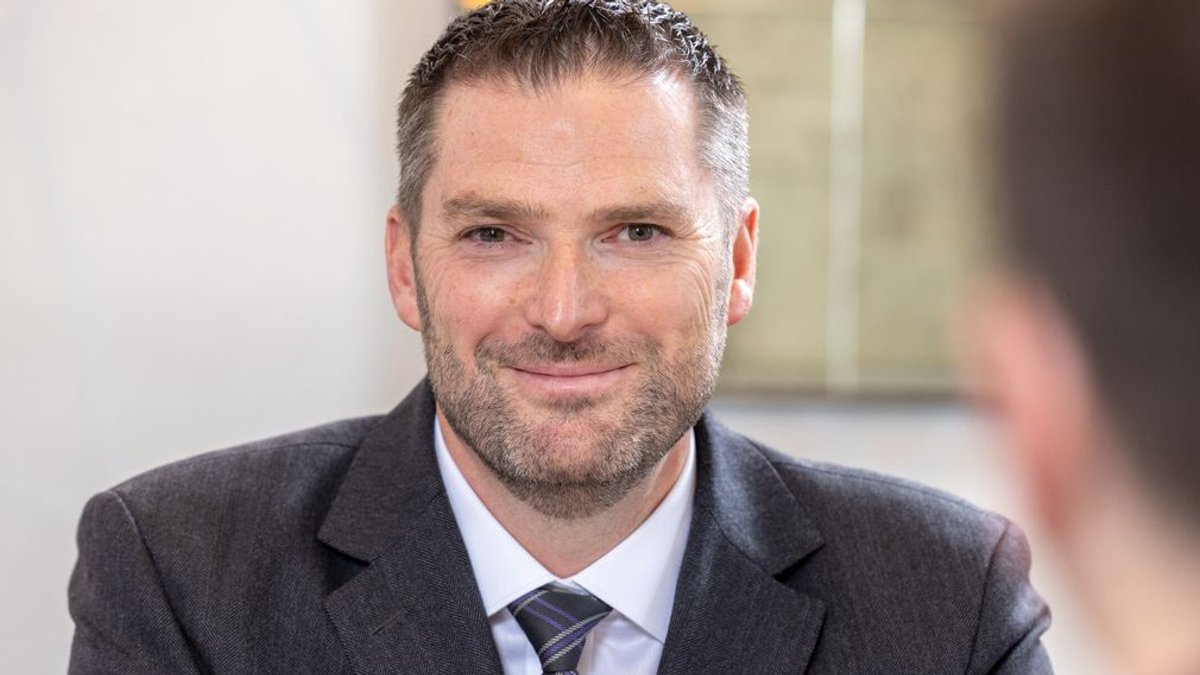
The Scottish funeral sector is one of the slowest to change, but it has seen significant shifts in recent years. According to Tim Purves, chief executive of William Purves Funeral Directors, the Covid-19 lockdowns brought about rule changes that forced firms to adapt. Livestreaming services became a key feature, allowing families to participate remotely.
Adapting to Change
Purves notes that this trend has stuck, with most families opting for some form of livestreaming. There has also been a long-term shift away from traditional religious services, with a focus on personalization and celebration of life. William Purves Funeral Directors has seen an increase in requests for non-traditional services, often with unique settings, music, or structures.
Another significant change is the time frame for funerals. Purves explains that most services used to take place within three or four days of death, but now families are opting for a couple of weeks, allowing for more planning and travel time. Families are also requesting more flexibility in the services, with some opting for direct cremation with no service.
New Legislation
The Scottish Government has introduced new legislation, the Burial and Cremation (Inspection) (Scotland) Regulations 2025, aimed at ensuring minimum standards across the sector. Purves, who was part of the consultation group, welcomes the new rules, believing they will raise standards and prevent practices that are detrimental to families. Non-compliant businesses may face enforcement notices and disciplinary action.
The new regulations have led to increased scrutiny, with William Purves Funeral Directors implementing additional paperwork and online confirmation forms. Purves expects this may lead to consolidation within the industry, as some companies may struggle to comply with the new rules.
Industry Consolidation
Purves notes that the industry is slow to change, with many businesses passing from father to son. However, the increased regulation may force some companies to reconsider their operations. Some may decide to sell up, unable or unwilling to adapt to the new standards. This could lead to consolidation, with larger groups like Co-op Funeralcare and Dignity Funerals potentially expanding their market share.
They remain committed to their 137-year-old values while modernizing their operations. The firm has grown through acquisition and now has 27 offices and around 115 staff. Purves’ wife, Ali, has joined the board as a non-executive director, bringing a fresh perspective and experience from the NHS and volunteer sector.
As the industry continues to evolve, Purves emphasizes the importance of offering customers the services they want while retaining core principles. Direct cremation with no service is a trend that has raised concerns, with some families regretting their decision due to a lack of closure. William Purves Funeral Directors aims to guide families through their choices, ensuring they are aware of their options and can make informed decisions.
It is driven by changing consumer needs and expectations. The industry is adapting to these shifts, and it is likely that we will see further consolidation and innovation, with firms like William Purves Funeral Directors leading the way in providing personalized and meaningful services to families.
Tim Purves is focused on providing high-quality services, and his firm is an example of a hospitality scene that is reshaping to meet new demands.
Ultimately, the funeral sector’s transformation will have a significant impact on the economy, with companies like William Purves Funeral Directors playing a key role in shaping the industry’s future, much like managing risk in stock-heavy portfolios is key for financial stability.

mySTAYINN aims to reshape Edinburgh hospitality scene


