


Serbia’s EV growth outpaces charging network expansion
Electric vehicle registrations in Serbia surged by nearly 300% in the first half of 2026 compared to the same period the prior year, yet the country still confronts a significant infrastructure shortfall. With only around 10,000 electric vehicles on its roads and roughly 250 public charging points nationwide, local officials emphasize that accelerating the expansion of charging networks is critical to maintaining this upward trend.
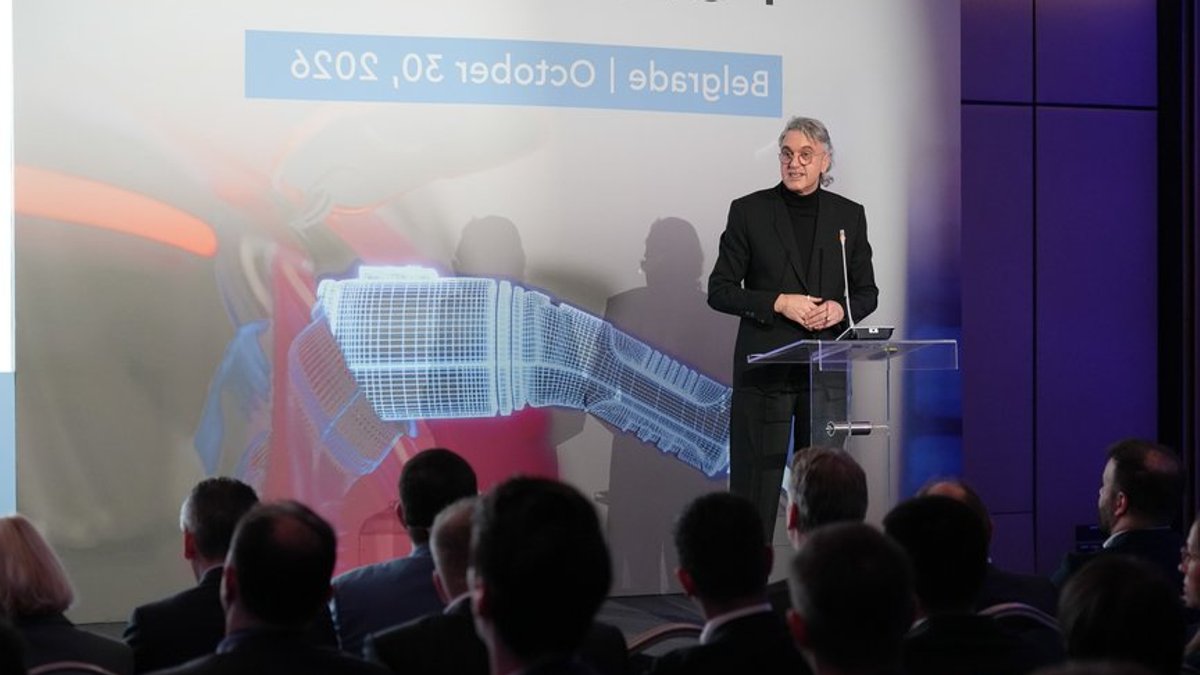
The Serbia eMobility Forum 2026, hosted in Belgrade by the Serbian Chamber of Commerce and Industry (PKS) in partnership with U.S.-based VoltiE Group, assembled automakers, equipment providers, and investors to explore ways to strengthen Serbia’s electric mobility ecosystem. Marko Čadež, president of the PKS, showed that Serbia stands alone in the region as a producer of electric vehicles, thanks in part to operations by Stellantis. He also noted that more than 500 companies in the automotive sector already supply components and software for electric vehicles to some of the world’s largest manufacturers.
VoltiE expands charging production in Serbia
VoltiE Group revealed plans to launch production of its JuiceBox charging units at a facility in Kraljevo, aiming to serve the European market. The company’s CEO, Edvard Genin, stated that the product has been installed over one million times globally. He stressed that VoltiE remains committed to expanding its operations in Serbia, drawing parallels with the U.S., where annual electric vehicle sales climbed from roughly 17,000 in 2011 to more than 1.2 million today. Genin argued that developing charging infrastructure is essential for building consumer trust and encouraging broader adoption of electric vehicles.
BIM, which acquired the local firm AIGO two years earlier, is also participating in the Kraljevo project. These investments reflect growing international interest in positioning Serbia as a regional center for electric mobility technologies.
Read Also: Exit Festival Returns to Novi Sad in 2027
International partnerships push Serbia’s EV ambitions
Aleksander Titolo, Chargé d’Affaires at the U.S. Embassy in Serbia, highlighted energy, innovation, and private-sector collaboration as key areas for deepening economic ties between the two countries. He observed that American firms could bring advanced technologies and high standards to Serbia’s energy and transportation sectors. Meanwhile, Norway’s ambassador to Serbia, Kristin Melsom, highlighted that her country’s experience shows a rapid transition to electric mobility is possible with consistent government policies, developed charging infrastructure, incentives, and public-private collaboration.
She noted that nearly 98% of new passenger car registrations in Norway this year were fully electric, crediting tax incentives and consumer trust as key factors. Melsom added that while Norway’s model cannot be directly replicated due to Serbia’s unique energy, economic, and transportation context, sharing experiences could aid Serbia’s development in this area.
Melsom acknowledged that Norway’s approach cannot be directly replicated due to differences in energy systems and market conditions, but she suggested that experience-sharing could inform Serbia’s policy development. Both embassies reaffirmed their support for ongoing cooperation in sustainable development and clean technology initiatives.
The forum concluded with plans to develop a joint roadmap for Serbia’s electric mobility sector covering 2027 and 2028. Discussions centered on identifying priority projects, selecting optimal locations for new charging stations, simplifying permit procedures, and securing funding for grid upgrades to accommodate rising demand. Organizers framed the event as a step toward aligning Serbia’s national efforts with broader European trends. By leveraging domestic manufacturing capabilities alongside foreign investment and technical expertise, Serbia seeks to solidify its role in the shifting automotive industry.


