


Donovan says costly youth sports hurt access
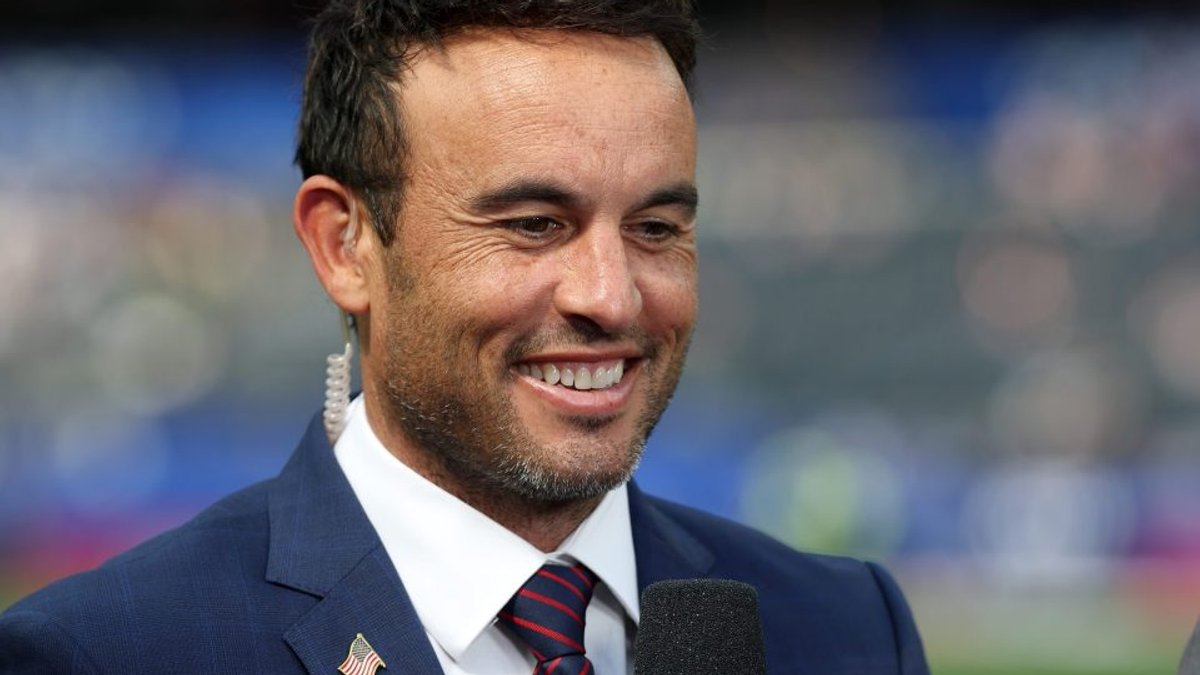
Landon Donovan, the former U.S. men’s national team leading scorer, warned that soaring costs in youth sports are keeping promising athletes out of the game.
Donovan’s upbringing highlights the cost barrier
In a recent appearance on the The Late Run podcast, Donovan described how his early soccer experiences depended on outside help. He said his mother earned $34,000 a year as a single parent of three children and could not afford the $4,000 club fee that many elite programs charge.
“My mom made $34,000 a year … She couldn’t pay $4,000 for me to play club soccer—are you kidding? She couldn’t pay $400,” he recalled.
Donovan added that a benefactor covered his fees, allowing him to join a travel team. “Somebody let me on the team and paid for me,” he said. “Otherwise, I couldn’t have. That’s not a good system to create good players.”
His own path included a stint at IMG Academy, formerly Bradenton Academy, where he benefited from the U‑17 national team residency program. He later signed a six‑year contract with German side Bayer Leverkusen at age 16, a deal worth more than $1 million, before launching his MLS career with the San Jose Earthquakes.
Related: Trump eyes new tariffs on Brazil after court loss
Rising expenses threaten the talent pipeline
A 2025 report from the Aspen Institute notes that youth sports costs have risen 46 % between 2019 and 2025. Travel soccer leagues can now cost families up to $15,000 annually for coaching and travel. Tom Farrey, executive director of the institute’s Sports & Society program, told the outlet that travel expenses are the biggest burden for parents.
Federal data from 2023 shows about 55.4 % of youths aged 6‑17 are involved in a sport. The structure of organized athletics, however, offers little subsidy. The Amateur Sports Act of 1978 bars federal funding for Olympic sports, leaving most programs to rely on fees, equipment purchases, and travel budgets.
Leagues such as MLS Next, USL, NPL and Girls Academy justify higher fees by promising exposure and development opportunities. Private equity has also entered the arena; Swedish firm EQT bought IMG Academy in 2023 for $1.25 billion, aiming to attract global talent while maintaining high tuition rates.
Farrey warned that the system “is not a youth‑centered or a talent‑development system. It’s primarily a system set up to use kids to make money for adults.” This perspective aligns with Donovan’s concern that many potential stars are being excluded.
Donovan said, “The clubs are winning, and the kids are losing.”
Related: US and Russian crews dock at ISS
While the report outlines the financial pressures, it also hints at a possible shift. If governing bodies were to create more scholarship programs or partner with community organizations, the cost barrier could be lowered.
Such changes would require coordinated effort among leagues, schools, and sponsors, but the need for a broader base of talent is clear.
His story, funded by a benefactor and a national residency program, illustrates a rare pathway that many cannot replicate. The lack of widespread support mechanisms means that talent identification often hinges on a family’s ability to pay rather than pure ability.
In short, the current model favors those who can afford the price tag, leaving a sizable pool of undiscovered players on the sidelines. As the youth sports market continues to expand, the pressure to find affordable alternatives will likely grow.

Trump eyes new tariffs on Brazil after court loss


