


Namibia Aims to Restore FMD-Free Status, Revive Beef Exports
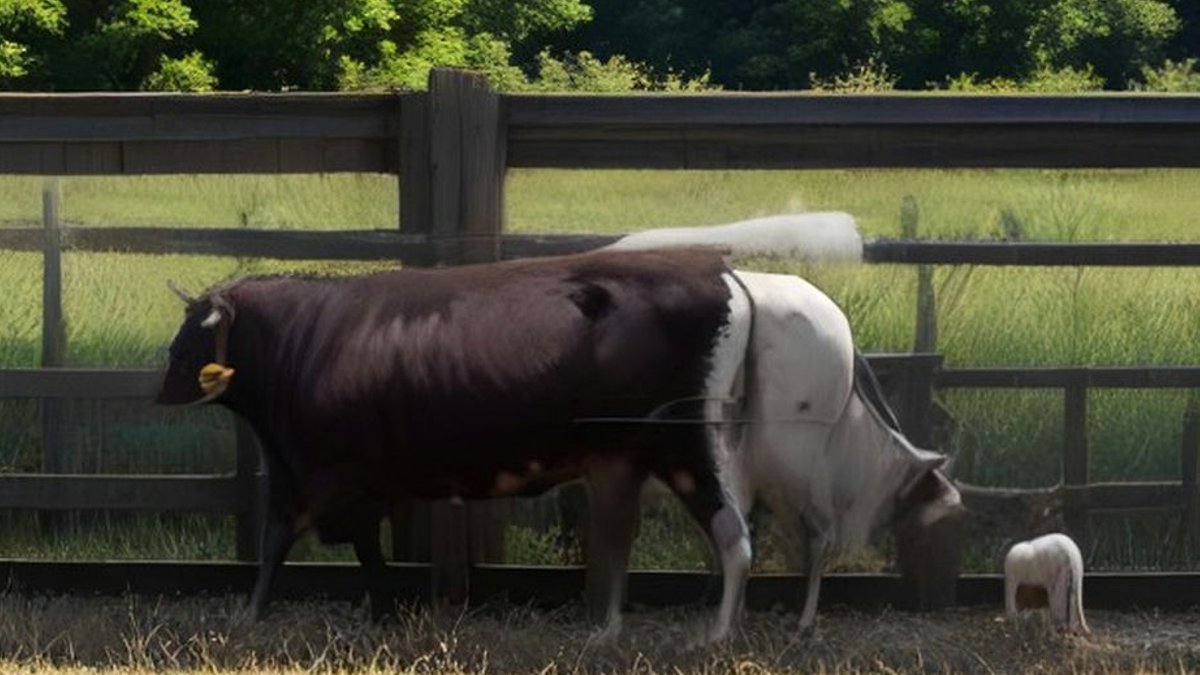
Namibia’s foot-and-mouth disease crisis in 1961 reshaped its agricultural environment. The outbreak, originating on a farm in the eastern Windhoek district, was likely caused by wild African buffaloes migrating from Bechuanaland (now Botswana). A technical containment strategy, led by Dr. Vorster, eradicated the epidemic by 1964.
This plan included game-proof cordon fences, transport blockades, mass quarantines, and mandatory vaccinations. The response involved 40 veterinarians, 1,300 officials and volunteers, and 1,700 workers constructing critical fencing. Local Farmers’ Associations enforced quarantines on private land, showcasing a unified national effort in biosecurity.
A Historical Benchmark for Collective Action
The 1961 outbreak remains a benchmark for collective biosecurity execution. The authorities implemented a strict “Stamping Out” policy, erecting thousands of kilometers of game-proof fencing and enforcing movement bans, farm-by-farm testing, and a disciplined quarantine ring. This eradicated the outbreak, proving Namibia’s capacity to isolate and eliminate a highly contagious pathogen.
The recent suspension of Namibia’s FMD-free status in the //Kharas region in September 2026 has paralyzed a N$5.5 billion annual beef export pipeline, putting 52,000 rural jobs at risk. To regain international trade viability, Namibia must look to its history for guidance.
A Three-Phased Roadmap to Recovery
Under the World Organisation for Animal Health (WOAH) guidelines, a three-phased operational roadmap is required. The first phase involves establishing a WOAH-approved Containment Zone with inspection rings and physical barriers. The Veterinary District plans to erect a new disease-control fence in high-risk areas like the Karasburg State Veterinary District.
Related Post: Namibia offers loan holiday to disease-hit farmers
The second phase requires intensive sero-surveillance and private-public integration. Private veterinary cohorts under the Directorate of Veterinary Services (DVS) will conduct repeat serological sampling, establish sentinel flocks, and enforce mandatory trace-back windows. Farmers must register 100% of their herds under the Namibia Livestock Identification and Traceability System (NamLITS) to ensure a flawless animal record.
The third phase involves executing a state-administered ring-vaccination campaign and utilizing WOAH’s Option 3: a Six-Month Commodity-Based Trade Program. This allows vaccinated cattle within the containment zone to be processed under rigid, state-supervised protocols at registered abattoirs, ensuring safe marketing of products.
To compress the recovery timeline, selective culling of infected animals within primary hot zones may be necessary. While politically sensitive, immediate stamping-out operations completely destroy the viral load, preventing the disease from mutating or spilling over into adjacent commercial zones.
To make culling economically viable and prevent farmers from hiding vulnerable herds, the state must instantly deploy the National Emergency Fund to provide fair, market-related compensation to all affected producers. Furthermore, because a prolonged export ban threatens the banking, logistics, and retail sectors, Namibia must aggressively mobilize funding from the private sector. Commercial banks, corporate meat processors, and mining houses should establish a joint fund to match state capital, ensuring the continuity of compensation and disposal logistics.

African tourism seeks better air connectivity


