


Namibia seeks private investment to ease donor funding gap
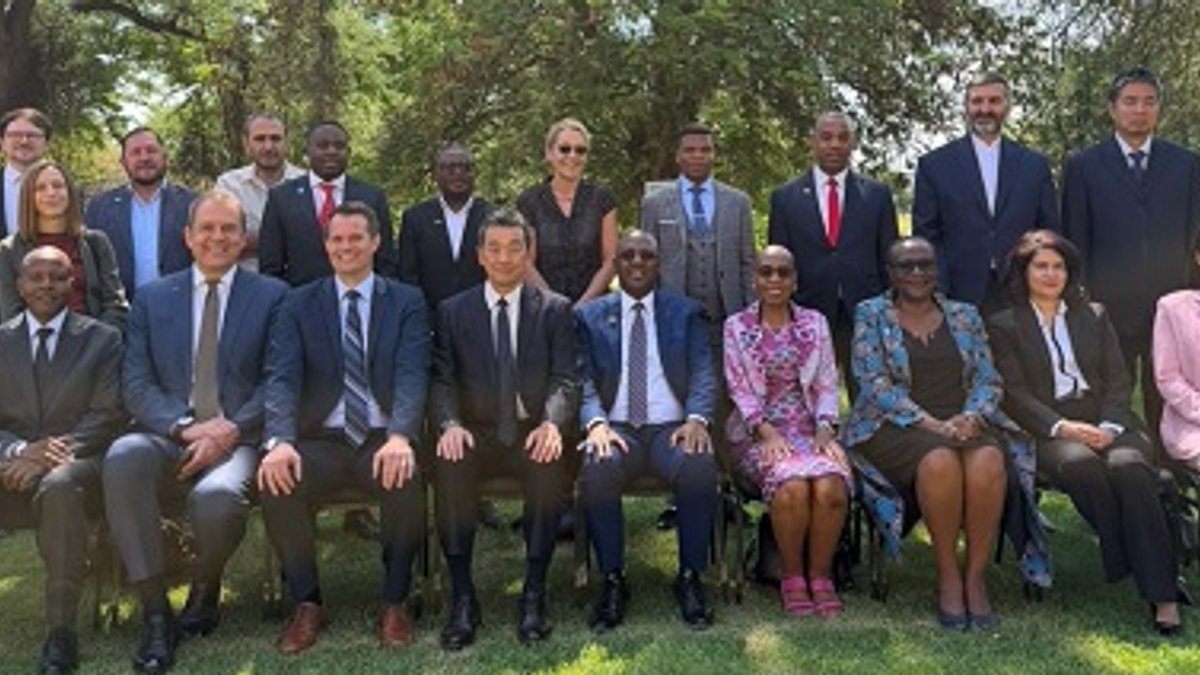
Namibia’s government has called on foreign development partners to broaden their partnerships with private investors, as declining donor funding creates growing financial shortfalls. At the opening of this year’s Joint Development Partners Forum, National Planning Commission Director General Kaire Mbuende highlighted the need for new funding models amid shrinking development assistance and tighter public budgets. The forum, organized jointly by the National Planning Commission and development partners, gathered diplomats, UN agencies, business leaders, civil society representatives, and academics under the theme Harnessing emerging economic opportunities for inclusive and sustainable growth. Mbuende emphasized that Namibia’s economy can no longer depend solely on donor support and must adapt to shifting financial realities.
Addressing the gathering, Mbuende identified youth unemployment as a critical issue, noting that Namibia’s young workforce, its largest demographic, faces persistent challenges in securing meaningful employment despite high education levels. To address this, he advocated for policies that reduce obstacles for micro, small, and medium enterprises, particularly by improving access to financing. Mbuende also stressed the need to position Namibia as a leader in digital innovation rather than remaining a passive consumer of global technological trends. Sustainable growth, he argued, requires active inclusion of young people, women, rural communities, persons with disabilities, and local businesses.
The forum’s discussions showed broader pressures facing Namibia and its partners, including geopolitical instability, climate vulnerabilities, and economic uncertainty. These factors are forcing governments and development organizations to achieve more with fewer resources, demanding greater efficiency and collaboration. Hopolang Phororo, the UN Resident Coordinator in Namibia and a co-chair of the event, acknowledged that while previous forums had set targets, such as reducing poverty and hunger by 2024 and tackling youth unemployment by 2025, the real test lies in translating those commitments into action. She proposed aligning the annual forum more closely with Namibia’s national development priorities, citing the National Health Partners Forum as a successful framework for coordination. The UN has offered to assist in strengthening these partnerships.
The event featured an exhibition and a Development Partners Coordination Open Day, demonstrating efforts to shift beyond discussions and support concrete collaborations. The push for increased private-sector engagement reflects a broader recognition that traditional aid structures are insufficient to meet Namibia’s evolving development needs in an era of budget constraints and global economic pressures.


