


Windhoek Unveils Rhino Sculpture to Fight Poaching
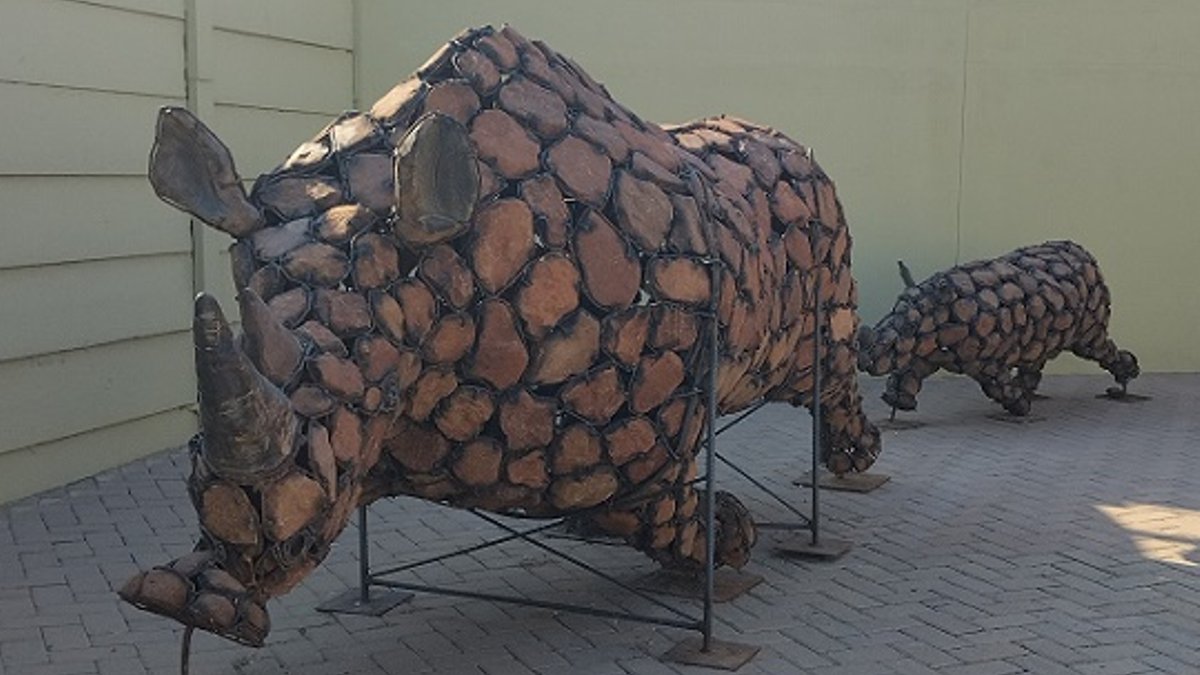
A life-size sculpture of a pregnant black rhino, Dorsland, and her calf was unveiled in Windhoek as part of a public awareness campaign to combat wildlife crime. The sculpture is the centerpiece of the #FindingDorsland campaign, which aims to rally the nation against poaching.
The campaign, launched by ultimate.earth in partnership with the Save the Rhino Trust (SRT) and the Conservation Travel Foundation (CTF), invites Namibians to participate in an interactive public initiative with prizes valued at over N$165,000. The prizes include an all-inclusive two-night stay at Onduli Enclave and the opportunity to track free-roaming desert-adapted black rhinos.
Campaign Details
To enter the competition, participants must take a selfie or video with the sculpture and post it on ultimate.earth’s Facebook or Instagram pages, explaining what free-roaming black rhinos mean to them and to the country. A panel of judges will select the winning entry based on the photograph or video and the participant’s response.
The winner and five friends will receive the prizes, which are redeemable between 1 to 13 December and 15 January to 28 February 2027. The winner will be announced at the Namibia Travel Market hosted by Venture Media on 19 November.
Thursday Launch of Nationwide #FindingDorsland Search
The piece represents Dorsland, a pregnant, free-roaming desert-adapted black rhino, and her calf, both of which were killed by poachers in the Kunene Region last year. The initiative invites Namibians from across the country to locate the sculpture, which was commissioned from an anonymous local artist and created using rocks from Damaraland.
Related Post: Namibia loses FMD-free status, exports halted
Organizers say the search is meant to be enjoyable while prompting participants to pause and consider the significance of the rhino, the Kunene Region, and Namibia as a whole. The campaign seeks to broaden public understanding of the free-roaming desert-adapted black rhino, the neighboring communities that protect them, and how wildlife tourism supports sustainable rural livelihoods.
Conservation Efforts
The campaign highlights the importance of community-based conservation in the Kunene Region, where communal conservancies have helped develop a model that combines wildlife conservation, tourism, and rural livelihoods. Simson Uri-Khob, Chief Executive of the Save the Rhino Trust Namibia, noted that Dorsland’s story is a reminder of what is at stake when a free-roaming desert-adapted black rhino is lost.
Tristan Cowley, Managing Director of ultimate.earth, stated that the initiative aims to help Namibians recognize rhinos as part of the country’s natural heritage and as an important living economic asset. Cowley emphasized that Dorsland’s story should not end with her death, but rather serve as a beginning to raise awareness about the importance of conservation.
Over the coming weeks, ultimate.earth and its conservation partners will share information about Namibia’s desert-adapted black rhinos, the history of community-based conservation in Kunene, and the role of wildlife tourism in supporting rural communities and conservation.

CCF Offers Free Admission for International Cheetah Day


