


Generational Habits and Water Waste in England and Wales
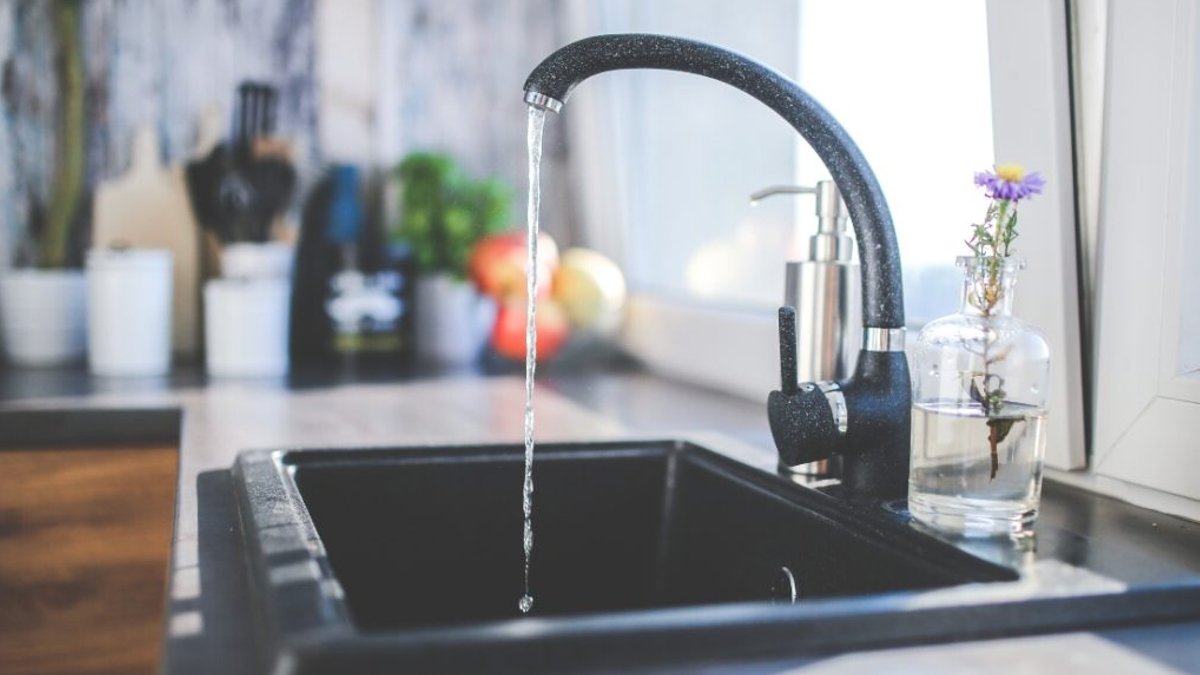
With drought measures and periods of extreme heat front of mind, new research from the Dewch i Arbed Dŵr, Let’s Save Water campaign highlights the different ways that generations use water and the simple changes people can make to use less.
Generational habits in focus
A poll of 2,000 adults in England and Wales found younger generations are more likely to report water-intensive behaviours, including taking longer showers and using the washing machine for smaller loads.
Gen Z were most likely to take showers longer than 10 minutes (44%) and use the washing machine for very small loads (24%), while Millennials were most likely to take baths instead of showers (26%) and rinse dishes before putting them in the dishwasher (30%).
Whilst Baby Boomers are the most conscious of their water use, 45% still report letting the tap run while waiting for water to get hot or cold, making them more likely to do so than other age groups.
Read Also: Bridgend man convicted of wife’s murder
The findings were commissioned by Dewch i Arbed Dŵr, Let’s Save Water, a four-year behaviour change programme backed by regulators and water companies. The campaign aims to challenge how people think about and use water across Wales and England by building awareness of the pressures on Wales’ water supplies and help people use water more efficiently through simple changes at home.
The scale of the gap
Despite the willingness to act, a significant disconnect exists between public perception and reality. Adults in England and Wales believe they use around 30 litres of water a day, yet the true figure is closer to 140 litres in England and 150 litres in Wales. This gap means that while many individuals feel they are doing enough, their actual consumption is nearly five times higher than their estimated level.
Survey results also show a striking lack of awareness regarding the specific savings required to secure future supplies. In Wales, 99% of respondents were unaware that the average person should aim to save at least 38 litres of water per day. Knowledge was similarly limited in England, where 97% of people did not know the correct target of 28 litres. This lack of specific knowledge makes it difficult for people to set accurate goals for their daily usage.
Supporting the message
Recent drought conditions and periods of extreme heat have brought water use into sharper focus this year, but the pressures on water resources extend beyond the summer months. Climate change, population growth and rising demand are increasing pressure on the system, with changing weather patterns in Wales making water supplies less predictable year-round.
Read Also: Welsh charities offered £270,000 funding boost
Encouragingly, earlier research from Dewch i Arbed Dŵr, Let’s Save Water, found that 66% of people in England and Wales already feel a personal responsibility to help reduce water consumption. There is however a willingness to make simple changes, with turning the tap off while brushing their teeth (43%) and waiting until the washing machine is full before running it (37%) among the simple changes respondents would be willing to make.
People also recognise that small changes can have a significant impact. 44% agree taking a two-minute shorter shower could make a big difference, while 41% believe using a washing-up bowl instead of leaving the tap running would have the greatest impact. Environmental psychologist, Professor Ian Walker, from Swansea University, said: “It’s encouraging that most people already want to do their bit to save water, especially as large parts of England and Wales are currently under drought measures.
The reality is that we all use water differently, which means we all have opportunities to make a difference. Whether it’s turning off the tap while brushing your teeth, taking a shorter shower, waiting until the washing machine is full, or using a watering can instead of a hose, small changes at home can add up to a significant impact when millions of people make them together.”
Mary Lewis, Head of Natural Resource Management Policy at Natural Resources Wales said: “This summer Wales recorded the driest July and August period since the historic drought of 1976, alongside the hottest August since 1884. Many of our rivers and groundwaters reached record lows, placing increased pressure on people, habitats and wildlife that depend on them. As these patterns are expected to become more common in the future, we must all rethink how we use water. By making small changes, we can all play a part in protecting this precious resource and helping to ensure there is enough water for people and nature.”


