


EU to keep Montenegro under post-accession monitoring for ten years
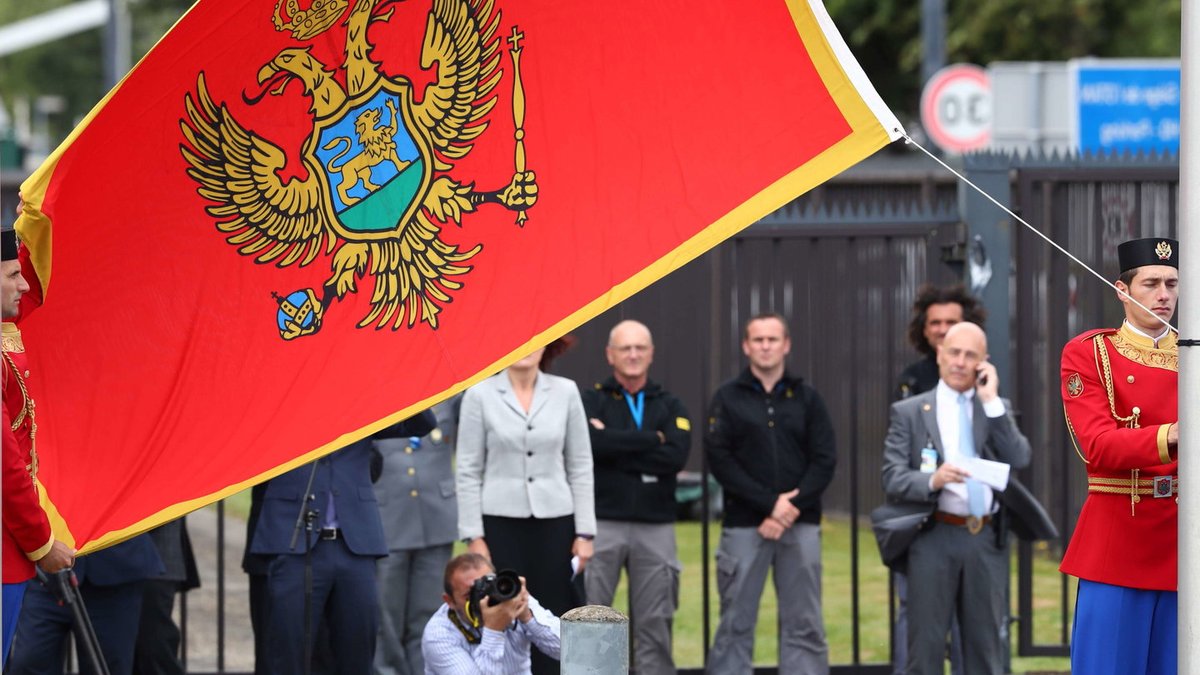
The European Commission wants to keep Montenegro under special monitoring for ten years after it joins the bloc. Brussels proposed this post-adhesion monitoring system in the draft accession treaty. The goal is to ensure the country respects its commitments and to act as a pilot for stricter measures against future members who might roll back democratic standards.
New Safeguard Clauses
Member states recently agreed on the general principle of these new guarantees. The European Commission proposed a specific change to “chapter 35” of the treaty. Originally, these rollback tools were meant to cover the gap between negotiations and the official entry date. Under that old plan, the Commission would track progress and could delay accession if obligations were not met.
Now, several influential nations, including the Netherlands, France, and Germany, pushed for these checks to continue after the country officially joins the Union. This shift represents a significant evolution in the treaty clauses. The new mechanism aims to maintain oversight during a probationary period following entry.
Read Also: EU Legislation Volume Doubles Since 2010, Study Finds
Internal EU Divisions
Despite the agreement on the general idea, divisions remain among member states. They view an additional monitoring period as redundant and unnecessary.
One central element of the proposal is the “institutional guarantee,” which acts as a probationary phase. During this time, serious violations of EU principles could trigger swift sanctions, such as the loss of voting rights. The Commission adopted Ireland’s suggestion to reduce this probationary period from 15 to 10 years, with a possible extension of five years. However, the Commission did not agree on the voting process for triggering these sanctions.
The Commission advocates for a “reversed qualified majority” vote. This means a sanction would apply unless a significant number of member states vote against it. This method contrasts with the Irish proposal for a standard qualified majority vote, which would require active approval from states to trigger a sanction. As the Irish presidency resumes negotiations to find a compromise, diplomats worry these disagreements could deepen rifts between member states and complicate Montenegro’s path to membership.


