


Wildfires rage as EU weakens nature’s shield
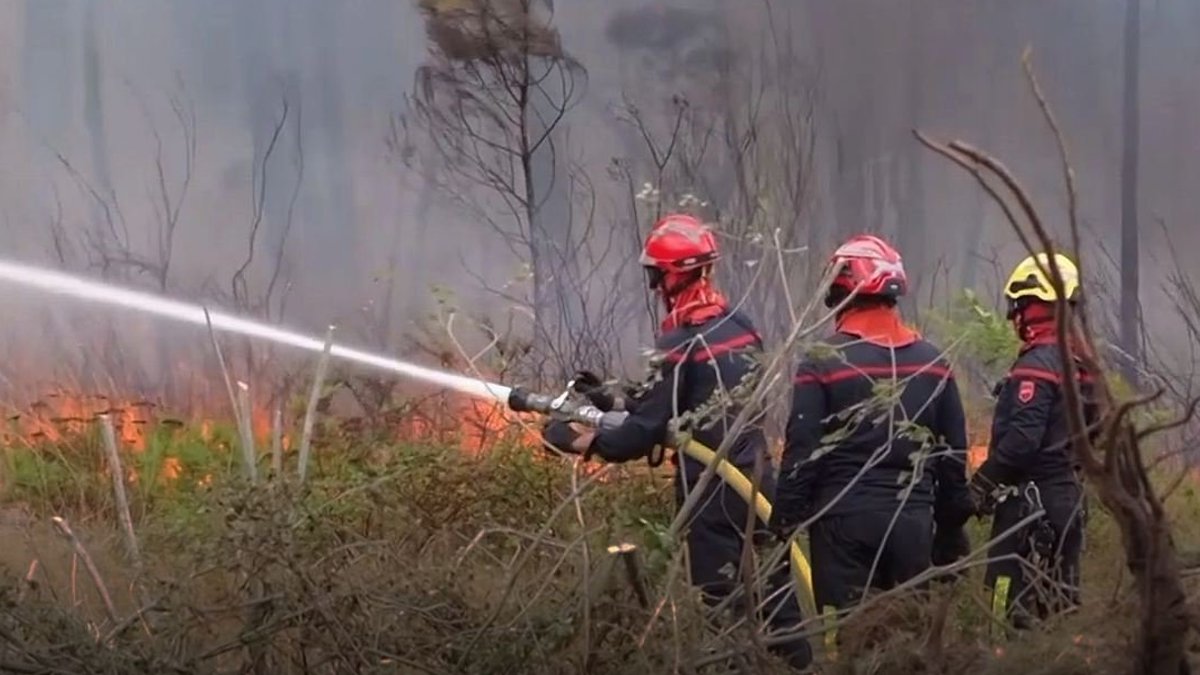
Southern Europe is burning at a scale that has become routine. Over 460,000 hectares have already been scorched across the European Union this year, surpassing historical averages. The fires are larger, more frequent, and more intense, often erupting simultaneously. Scientists attribute this shift to climate change, which has made extreme fire weather at least twice as likely in France and 20 times more likely in Spain.
While firefighters battle the flames, EU leaders are rolling back environmental protections. The World Wide Fund for Nature warns the bloc is moving toward a permanent wildfire crisis by weakening policies meant to prevent it.
Firefighters can’t outrun climate change
Anke Schulmeister-Oldenhove, Manager of Forests at WWF EU, stated that while firefighters work to contain wildfires, policymakers debate how much to dilute climate and nature laws. She emphasized the need to strengthen these measures to avoid future disasters.
Related: How to Prepare Payroll for Evolving EU Employment Regulations
Most wildfires begin with human activity—arson, discarded cigarettes, or machinery sparks. However, climate change has turned those sparks into uncontrollable blazes. Higher temperatures, prolonged droughts, and frequent heatwaves create conditions where fires spread rapidly and resist containment. Decades of unsustainable land use, including degraded forests and shrinking wetlands, have increased vulnerability. Fires now release massive amounts of greenhouse gases, accelerating warming, while damaged ecosystems lose their ability to store carbon or act as natural firebreaks.
The European Commission has acknowledged in its recent communication the need to move beyond emergency response toward prevention, resilience, and landscape-level planning. WWF argues that prevention requires more than statements. It requires enforcing existing laws, investing in ecosystem restoration, and adopting nature-based solutions—all of which face opposition.
The consequences extend beyond forests. Wildfires disrupt water supplies, displace communities, and strain economies already burdened by climate disasters. Suppression and recovery costs are rising, yet prevention funding remains minimal. Restoring natural defenses is not optional—it is necessary to avoid greater losses.
Related: Company Outgrows DIY Financial Management
Restoration as a firebreak
WWF’s recommendations focus on ecosystems that act as natural fire barriers. Wetlands, peatlands, and diverse forests retain moisture, slowing flames. The Nature Restoration Regulation, which aims to restore 20% of the EU’s land area by 2030, could help—but only if fully implemented. The Birds and Habitats Directives, which protect biodiversity, are also at risk of being weakened.
Edoardo Nevola, Global Fire Community Lead at WWF International, stressed that Europe cannot extinguish its way out of the wildfire crisis. Wildfire policy must shift toward prevention, resilience, and landscape-level planning, but this requires stronger implementation of climate and nature legislation and substantial investment in ecosystem restoration and nature-based solutions.
The group also calls for a rapid phase-out of fossil fuels and a transition to renewable energy to cut emissions. Without this, worsening fires will persist. Forests and wetlands could help remove carbon, but only if protected and restored.
Related: Cladding levy on builders put back to 2028
Current spending priorities highlight the problem. Most funds go toward suppression—helicopters, firefighters, and emergency response—rather than prevention. Redirecting even a small portion toward resilient settings, community preparedness, and restoration could reduce future costs. Otherwise, summers will bring repeated evacuations, destroyed homes, and exhausted crews.
No single solution exists. Decisions made in Brussels and national capitals in the coming years will determine whether Southern Europe’s fires remain seasonal or become constant. The tools to limit damage are available. The challenge is whether leaders will act.
The fires continue to burn.

How to Prepare Payroll for Evolving EU Employment Regulations


