


DEI efforts must continue after tragic loss
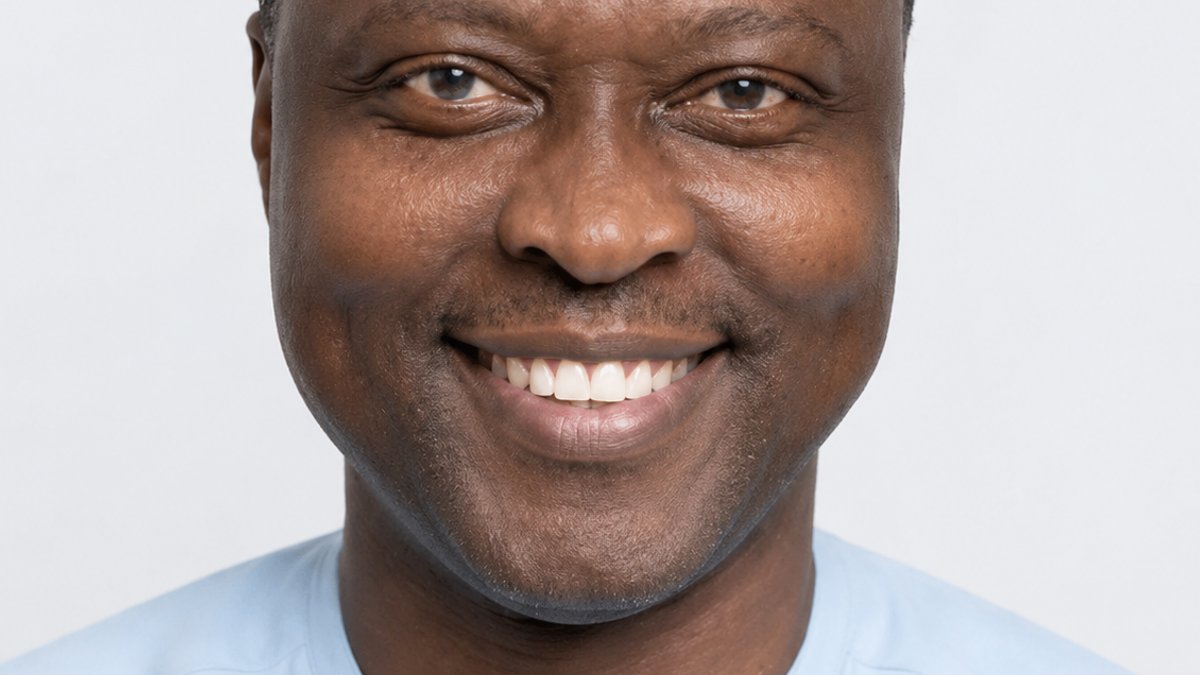
Jason Arday’s death has sparked a global conversation about the importance of diversity, equity, and inclusion in institutions. Before his death, Arday was a relatively unknown figure outside of British academia, but his life’s work and the reaction to his death have shed light on the struggles faced by underrepresented groups in professional settings.
Arday was born in 1985 to Ghanaian parents in South London and overcame significant challenges to achieve academic success. He was autistic, did not speak until he was eleven, and did not learn to read or write until he was eighteen. Despite these obstacles, Arday went on to earn a PhD and became a professor at the University of Glasgow in 2021. In 2023, he was appointed Professor of Sociology of Education at the University of Cambridge, making him the youngest Black person to hold a professorship at the university.
Arday’s academic record was questioned by a philosopher’s Substack post, which led to an inquiry by Cambridge University. The story gained national attention, and Arday resigned from his post on August 5, 2026. Nine days later, he was found dead at his South London home. This incident has sparked outrage and accusations of a racist witch-hunt.
An estimated 30,000 people attended a vigil in Trafalgar Square to remember Arday and protest the treatment he received. The philosopher who made the allegations against Arday was suspended from his university post in Belgium. The incident highlights the need for institutions to support underrepresented leaders and protect them from disproportionate scrutiny.
Diversity, equity, and inclusion are essential infrastructure for fairness, talent retention, and business performance. Companies with diverse executive teams are more likely to financially outperform those with less diverse teams. However, the causal link between diversity and financial performance is still being debated.
Related: Hospitality Faces Rising Costs, Shifting Tastes, Lockdown Challenges
Institutions must build a culture that sustains diversity, rather than just celebrating it as a branding exercise. Representation without belonging is exposure without protection. They must provide a support system for underrepresented leaders, rather than abandoning them to face scrutiny and hostility alone.
Done properly, diversity, equity, and inclusion are risk management, talent strategy, and moral obligation rolled into one. It requires diverse hiring, internal culture, mentorship, and institutional backbone to protect underrepresented leaders. They also involve examining why criticism of Black professionals often escalates faster and harder than equivalent criticism of white peers.
Jason Arday’s story should not be reduced to a culture-war talking point. Instead, it should serve as a turning point, prompting institutions to re-examine their approach to diversity, equity, and inclusion and take concrete steps to support underrepresented leaders. By doing so, they can create a more equitable and just society, where everyone has the opportunity to thrive.
They can start by learning from leaders like Elumelu who have successfully handled complex business environments.

Seplat Revaluation Doubles Elumelu's $500m Stake


