


Hospitality Faces Rising Costs, Shifting Tastes, Lockdown Challenges
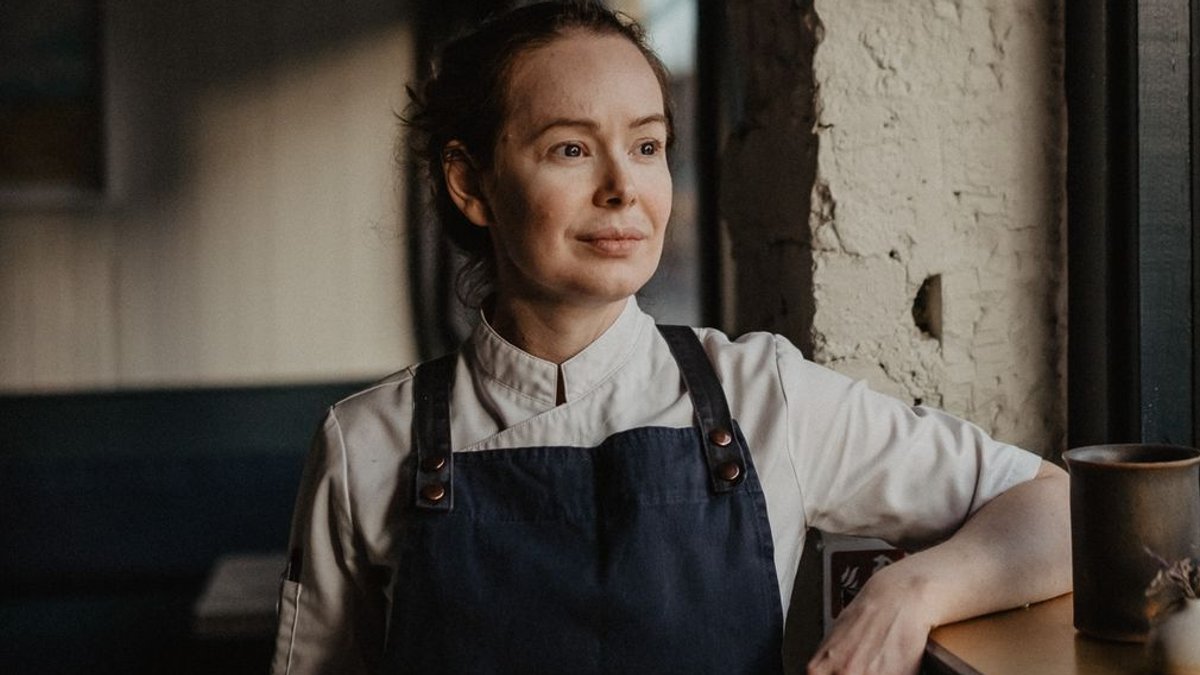
Rising costs, changing tastes and lockdown woes have forced Edinburgh’s hospitality scene to adapt quickly, and a husband‑wife team is showing how diversification can keep doors open.
From kitchen apprentices to three restaurants
Roberta Hall‑McCarron began working in restaurant kitchens at 16, later moving to the Burj Al Arab in Dubai before returning to Scotland for a stint at the Michelin‑starred The Kitchin. She later joined the opening crew at Castle Terrace, where she spent six years, three as head chef, and met front‑of‑house manager Shaun McCarron. Together they launched The Little Chartroom in 2018, followed by Eleanore in 2021 and most recently Ardfern in 2024.
Roberta says the timing of the openings was fortuitous. “There was a gap between really casual and high end, so The Little Chartroom filled that nicely seven years ago.” Their strategy during pandemic lockdowns was to pivot the kitchen toward at‑home meals, providing “some form of consistency for our staff and guests,” she explained. A food truck on Portobello Promenade also helped fund the later projects.
Ardfern, positioned next to The Little Chartroom, reflects the couple’s desire to stay close to their original venue. “We figured we’d be better off being our own neighbours,” they noted, though they wonder whether the proximity creates unnecessary competition. Pricing differences appear to keep the three concepts distinct: Ardfern averages around £30 per plate, Eleanore about £80, and The Little Chartroom roughly £100.
Cost pressures and staffing challenges
Like many operators, the McCarrons face higher overheads from rising minimum wages and increased employer National Insurance Contributions (NIC). Shaun observes that “a commis chef and chef de partie sort of mould into one now, and it lowers the gap between different levels on the kitchen hierarchy.” The pair ran extensive calculations before the wage and NIC hikes, but the scale of the impact proved hard to predict.
Related: 20 Questions to Ask in Every WealthTech AI Demo
Staffing shortages have not crippled the businesses, yet Brexit has added complexity. Shaun says the team considered sponsorship for foreign workers but found it “so costly, it doesn’t make financial sense for just one or two people.” He adds that a skills gap in training persists, despite “experience people in our restaurants.” Roberta notes a recent influx of younger workers, indicating that the industry is beginning to attract new talent again.
Customer cancellations remain high post‑pandemic. To curb the trend, the restaurants now charge a fee that can be redeemed for a discount on a future booking, a move aimed at preserving cash flow while still offering value.
While the market is competitive, the McCarrons see it as a sign of health. “Quality is being raised at lower price points, while prices also rising at the higher end,” Roberta observes, suggesting that diners are willing to pay for enhanced experiences, provided they receive tangible benefits such as larger portions or superior service.
Given the current environment, the couple’s mixed‑model approach—combining traditional sit‑down dining, casual street‑food concepts, and a niche wine‑import business—offers a template for resilience. Their ability to shift operations quickly, experiment with new revenue streams, and maintain a loyal staff core may help other hospitality firms manage similar challenges.

Dumfries and Galloway College boosts business futures


