


EU introduces new repair rights for consumers
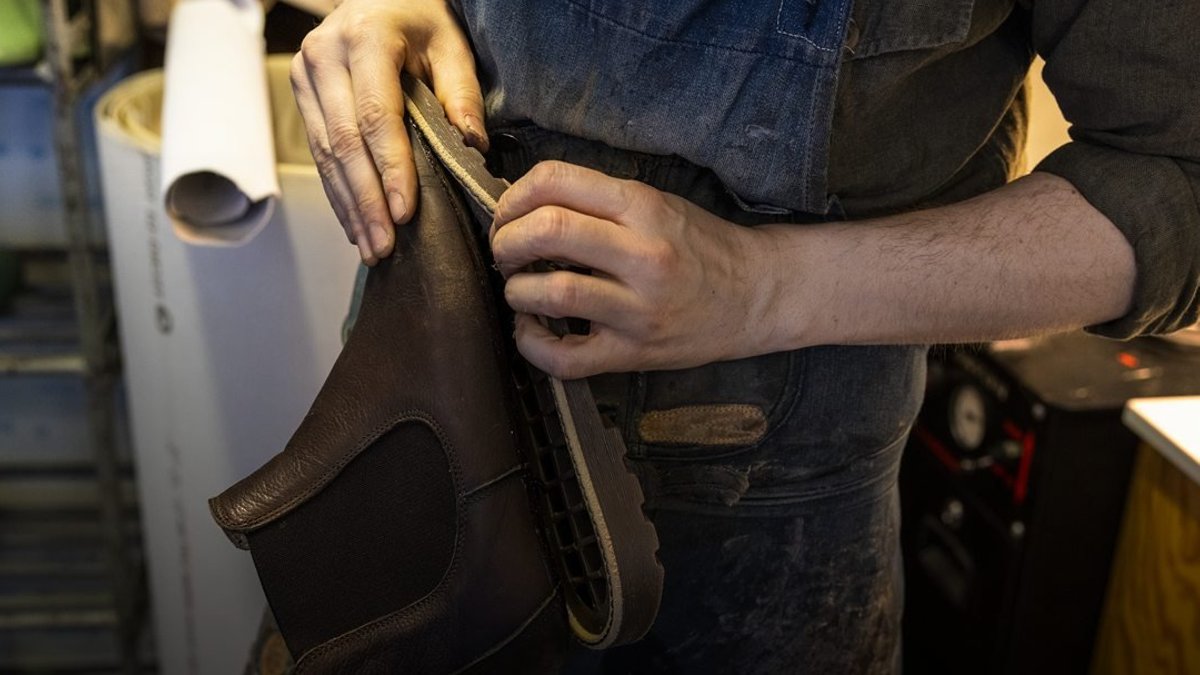
The EU’s Right to Repair Directive took effect on 31 July, marking a significant step toward longer product lifespans and reduced waste across member states.
What the new rules require of manufacturers
Under the legislation, consumers may ask for repairs on items such as smartphones, washing machines, or refrigerators even after the standard warranty period ends. Companies must provide these services at a “reasonable” price and within a reasonable timeframe, the text of the Directive states.
Manufacturers are also obliged to publish clear information about repair options and indicative costs on their websites or in user manuals. The rule bars firms from refusing repairs or employing tactics that deter customers, including the use of contractual clauses or technical measures that block repair, unless a legitimate, objective reason can be demonstrated.
Related: EU begins enforcing AI regulations
Annex II of the Directive lists the specific categories of goods covered, and it mandates that spare parts be made accessible and affordable. The requirement applies to all listed products, meaning that spare components for a dishwasher, for example, must be offered at prices deemed reasonable by the authorities.
Impact on consumers, businesses and the environment
EU officials argue the measure will help consumers save money, keep products in use longer, and cut greenhouse‑gas emissions. “Choosing to repair a product rather than replace it means choosing affordability, circularity, and competitiveness,” said Consumer Commissioner Michael McGrath.
Member states are expected to promote repair through vouchers or dedicated funds, adding a layer of financial support for households that might otherwise opt for new purchases.
Henna Virkkunen, executive vice‑president for Tech Sovereignty, Security and Democracy, warned against a future where Europe “throws technology away.” She added that a “smart, repairable, and circular” market would lessen reliance on imported raw materials.
Related: Seedance 2.5 AI Tool Expands Video Production Workflows
While the Directive sets clear expectations, enforcement will rest with national authorities, which must monitor compliance and address violations. The legal framework does not prescribe exact price caps, leaving some discretion to regulators in determining what constitutes a reasonable cost.
In practice, the new rules could shift repair practices by encouraging the development of standardized components and service manuals, potentially simplifying the process for both technicians and end users.
Overall, the EU’s move to codify repair rights reflects a growing trend toward sustainability in consumer policy, aiming to balance economic, environmental, and social objectives across the bloc.

EU begins enforcing AI regulations


