


French police see rise in corruption cases
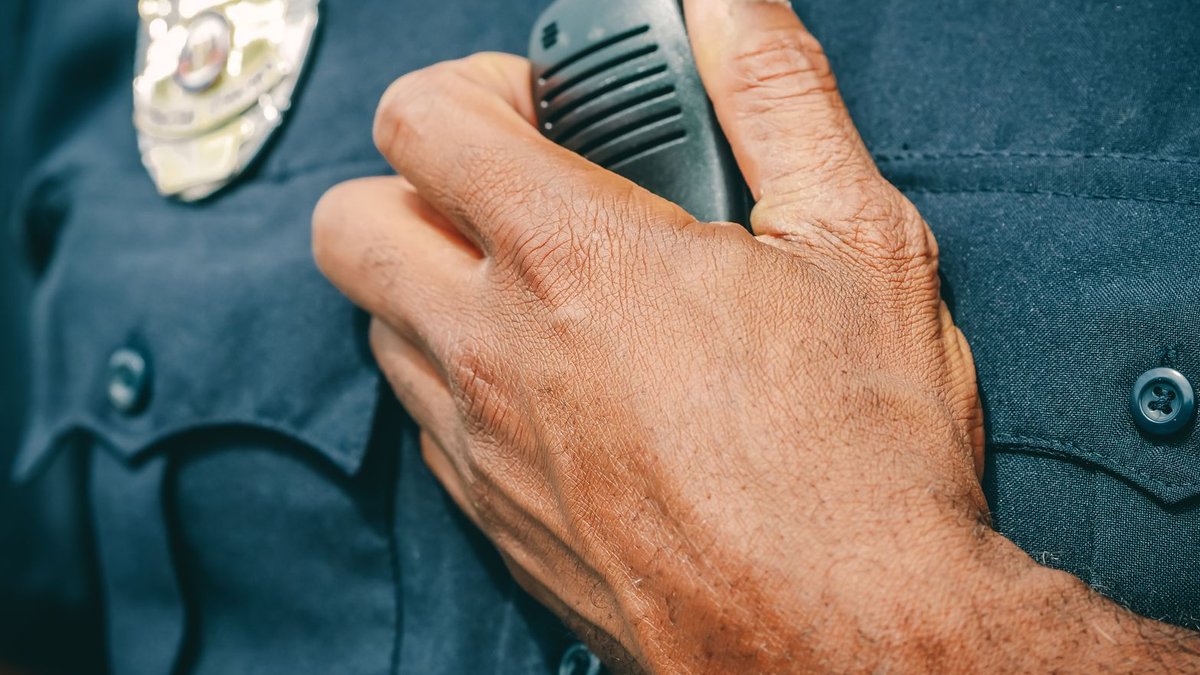
The French police’s internal affairs division, the Inspection Générale de la Police Nationale (IGPN), has reported a significant increase in corruption cases within the police force. In 2025, the IGPN conducted 235 judicial investigations into “atteintes à la probité,” which includes corruption, influence peddling, and embezzlement, according to its annual report published on September 23.
These investigations resulted in 341 infractions, representing 23% of the IGPN’s total caseload, and marking a 46% increase from the previous year. In 2020, the number of such infractions was 137. The IGPN cautions that this increase may be partly due to better internal detection and a rise in reports from within the police services themselves.
Corruption is on the rise. The number of corruption cases alone increased by 33% between 2024 and 2025, from 33 to 88 cases over the past five years. Additionally, there were 136 instances of illegal file consultations in 2025, up 81% from the previous year, and 117 cases of professional secrecy violations.
Read Also: New Senator Wins by One Vote Margin
While it is challenging to pinpoint the characteristics of a corrupt police officer, the IGPN notes that those involved are often men under 40, in the early stages of their careers, and may be facing financial difficulties, family problems, or addiction issues. However, they emphasize that corruption involves many factors and aspects.
Interestingly, the gains from corrupt activities are often modest compared to the risks involved. Corrupt officers may receive small amounts of money, gifts, or professional advantages, yet they face up to 10 years in prison and a €1 million fine if convicted. The IGPN also highlights the fact that officers can sell information to intermediaries through social media platforms without knowing the final beneficiary or the purpose of the information.
This phenomenon has led to a situation where multiple intermediaries are involved between the officer and the criminal organization, making it difficult for officers to understand the consequences of their actions. They note that not all corruption cases are motivated by financial gain, as some officers may consult files to help a friend or family member, or to verify someone’s moral character.
Read Also: France Considers Retiree Contribution in Budget Plan
The involvement of narcotics trafficking is a concerning factor. The IGPN warns of a growing risk in the context of increased pressure from organized crime and narcotics trafficking. The diverted information can include judicial records, vehicle registrations, or ongoing investigations.
Despite these concerns, the IGPN does not describe the police institution as being overrun by corruption. The cases remain exceptional and marginal within the national police force, and the threat is considered non-existential for the time being. A national anti-corruption delegation was established in September 2025, and a file consultation surveillance system, SCAF-PN, is being implemented to detect abnormal usage, including through the use of algorithms, with the goal of detecting and deterring corrupt activities.


