


Precision irrigation delivers water directly to plant roots
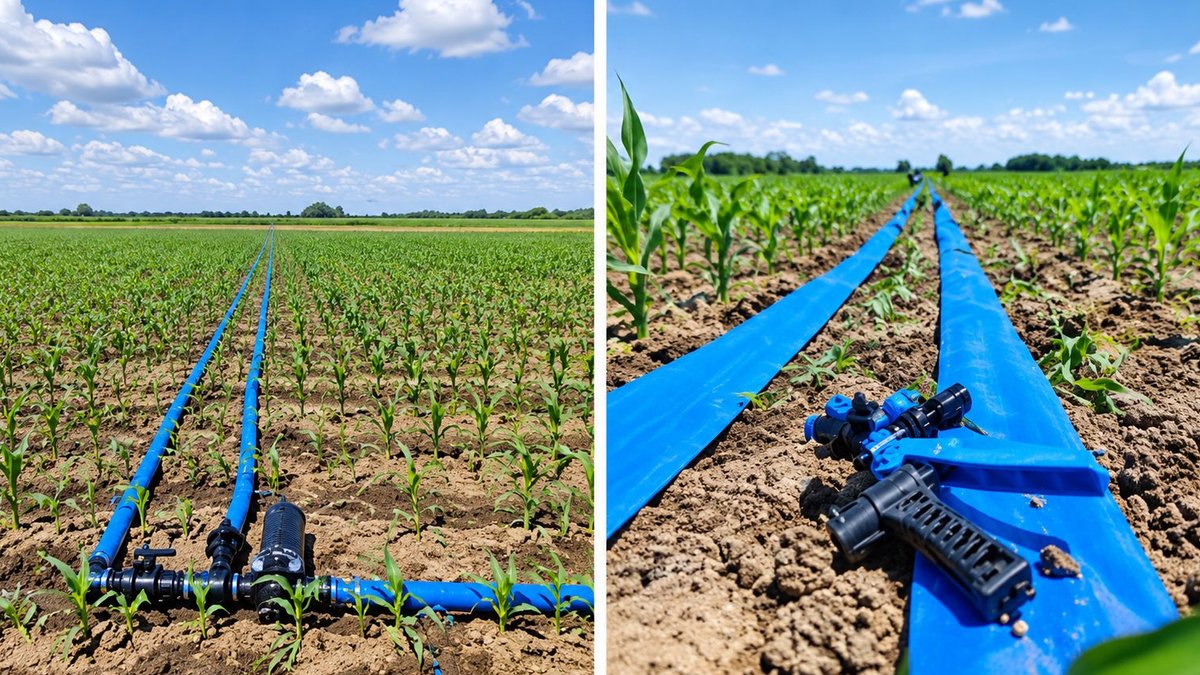
Cap irrigation lets farmers deliver water directly to plant roots with precision, cutting evaporation losses and making better use of resources in agriculture.
How the system works
This method moves water through tubing and drippers into the soil around the roots. The system supplies water in small amounts, which reduces the amount lost to evaporation compared to traditional flood irrigation.
Cap irrigation suits vegetables, corn, and other row crops, as well as orchards and vineyards where this approach is appropriate. However, there is no single setup that works for every field. Selection depends on the crop being grown, spacing, soil type, water source, available flow, and required pressure.
Choosing the right drippers, their flow rate, spacing, and tape thickness matters. For instance, tapes with 20-centimeter spacing and a flow rate of 1 liter per hour per dripper might suit some crops, while other operations require different specifications.
From source to root
A complete cap irrigation system includes several interconnected parts. Depending on field conditions, this may include a pump and pressure regulation equipment, filters to remove debris, main and distribution pipes, lay flat hoses, drip tapes, connectors, and related accessories.
Read Also: Serbia’s EV growth outpaces charging network expansion
Filtration is critical because impurities can clog drippers and disrupt the uniform application of water. Regular filter maintenance, pressure checks, and tape inspections contribute to reliable operation and longer equipment life.
Setting the correct flow and working pressure is equally important. An improperly sized system can struggle to deliver water evenly, especially on larger fields or when many tapes run simultaneously.
Managing the timing and amount of water is essential. Irrigation schedules should match plant needs, growth stages, weather conditions, and soil characteristics. Overwatering wastes water and can leach nutrients, while insufficient water during critical stages limits growth potential.
Precision irrigation improves water efficiency, root zone control, and overall farm organization when managed correctly.


